Mon-Fri 09:00 - 17:00
Saturday and Sunday - Closed
info@evolvedhair.com.au

Lost your brows?

Resolved at

Evolved

Lost your brows?

Resolved at

Evolved

pub-story
1000000

Hairs Restored Globally: The Evolved Difference​

There’s a reason we’re setting the standard in hair restoration across Australia, India & Bangladesh.

At Evolved Hair Restoration, we take pride in being more than just a numbers leader. With clinics spanning three continents and a seasoned Medical Team —including a Medical Director with over 20 years of hair transplant experience and a Trichologist with more than 30 years in the field — we’re committed to excellence in every graft we place.

Our innovative techniques, such as Micro FUE and Regenerative donor care, ensures that every patient receives a high level of care and natural results. We’re more than just a clinic—we’re a global leader in hair restoration.

Join the thousands who have chosen Evolved Hair for transformative results. Your journey to a fuller, more confident life starts here.

1000000

Hairs Restored Globally: The Evolved Difference​

There’s a reason we’re setting the standard in hair restoration across Australia, India & Bangladesh.

At Evolved Hair Restoration, we take pride in being more than just a numbers leader. With clinics spanning three continents and a seasoned Medical Team —including a Medical Director with over 20 years of hair transplant experience and a Trichologist with more than 30 years in the field — we’re committed to excellence in every graft we place.

Our innovative techniques, such as Micro FUE and Regenerative donor care, ensures that every patient receives a high level of care and natural results. We’re more than just a clinic—we’re a global leader in hair restoration.

Join the thousands who have chosen Evolved Hair for transformative results. Your journey to a fuller, more confident life starts here.

pub-story

Natural and Stunning Results

Eyebrow restoration is a hair transplant procedure specifically designed to address the loss of eyebrow hair. The Hair Transplant Doctor at Evolved Hair Clinics in Perth and Brisbane uses a technique known as Direct Follicle Insertion (“DFI”) for natural-looking eyebrow restoration that doesn’t require surgical incisions.

How Does a DFI Eyebrow Transplant Work?

The Hair Transplant Doctor uses a micro extractor tool to harvest individual hair follicles from a donor area of the head, and an ultra-fine needle to place each individual follicle into your eyebrow area, replicating the natural angles and growth patterns of eyebrows.

Because the implanter tool has a diameter of less than 0.8mm, no incisions aren required in the brow area, so there is less bleeding and unapparent scarring. The device also gives the Hair Transplant Doctor control over the direction of the implanted hair, so it will blend with your existing eyebrow.

One of the most advanced hair transplant techniques globally

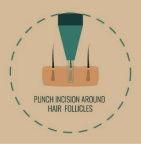
Extraction

We extract grafts using Cole’s method, injecting PRF into the donor area for partial rejuvenation. Single-use instruments allow us to adjust punch size based on hair characteristics, enabling safer and faster graft extraction while preserving the donor area's appearance.

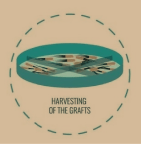
Graft Preservation

Between extraction and implantation, we store follicles in a growth solution at a controlled temperature to maximize graft survival. Advanced tissue preservation techniques, including chilled graft trays, ATP, Growth Factor Therapy, and Hypothermasol, create an environment that mimics the body's natural state.

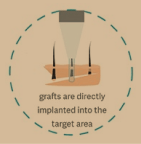
Insertion

Each graft is then carefully placed into an ultra-fine implanter and inserted at the correct angle, depth, and direction, ensuring natural and undetectable hair transplant results.

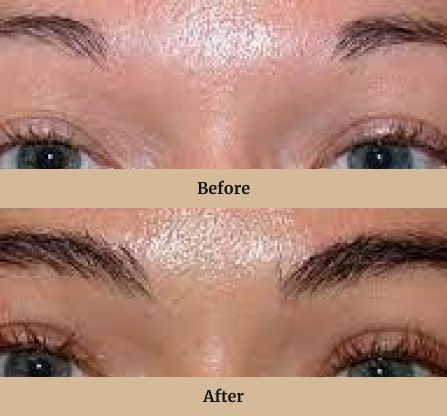
Our Results

Results vary from person to person. These images are indicative only.

For more information on details specific to you and your hair loss journey, we recommend having a consultation with a Trichologist and/or a Hair Transplant Doctor. To understand risks and recovery about the procedure, read the FAQs and the Disclaimer

Why Us

Success Stories

10,000+ patients saved from hair loss

Doctor Led and Delivered​

End-to-end procedure performed by doctor, not by nurses/technicians

Our Vintage

45+ Million Hair Transplanted

Experienced Team​

Medical team has 100+ years cumulative experience in hair loss and aesthetic industry

Natural Results

Our number 1 priority is to preserve your donor and give you best possible density

Thought Leadership​

Our international training academy ensures we stay on top of research and innovation in the field of hair restoration globally.

Undetectable scars, no stitches​

Minimal discomfort and quick recovery

Long Hair Transplants​

We are perhaps one of the few clinics to perform unshaven, long hair transplants using industry leading protocols

Meet Our Medical Team

Welcome to Evolved Hair, home to one of the best hair doctors in Australia. Our surgical team is amongst the world’s leading exponents of the FUE Technique and has 100+ years of cumulative experience in the field of aesthetics and hair loss treatments.

Eyebrow Restoration

  • At Evolved Hair Restoration Clinic, the cost of eyebrow restoration is based on the number of grafts required and the overall quality of your donor hair.
  • This personalised approach helps maximise results while conserving grafts, often leading to excellent patient satisfaction. Deciding whether eyebrow restoration is worth the investment is ultimately a personal choice, but many patients feel it’s one of the best decisions they’ve made and often wish they had done it sooner.
  • At Evolved Hair Restoration Clinic, the cost of eyebrow restoration is based on the number of grafts required and the overall quality of your donor hair.
  • This personalised approach helps maximise results while conserving grafts, often leading to excellent patient satisfaction. Deciding whether eyebrow restoration is worth the investment is ultimately a personal choice, but many patients feel it’s one of the best decisions they’ve made and often wish they had done it sooner.

Pricing

For both brows

$6,500

$6,500

Frequently Asked Questions

Still have a doubt? Feel free to call us! We are always there to help you out.

Yes. At Evolved Hair Restoration Clinic, transparency is a core part of our process. After your consultation, assessment and graft estimation, we provide a clear, detailed quote outlining all associated costs. This includes the procedure, follow-up visits, aftercare recommendations and any additional treatments you may benefit from. You will have the opportunity to ask questions, compare options and fully understand the investment before deciding to proceed.

The night before surgery, avoid alcohol, heavy meals and any medications not approved by your surgeon. Take a gentle shower and avoid applying oils, lotions, makeup or hair products around the eyebrow or scalp area. Getting a good night’s sleep is important for a smooth procedure.

On the day of surgery, wear comfortable, loose-fitting clothing, preferably something that doesn’t need to be pulled over your head. Avoid jewellery, perfumes or creams. Ensure your face is completely clean and free of products. Eat a light breakfast unless told otherwise and arrive on time so you can relax before the procedure.

The exact number of grafts required for an eyebrow restoration varies widely from person to person. It depends on the current condition of your eyebrows, how thin or patchy they are, whether one or both brows require restoration and the density and shape you wish to achieve.

Mild or partial restoration may require 50–100 grafts per eyebrow, while fullreconstruction—such as after trauma, scarring or severe over-plucking—may require 150–300 grafts per eyebrow. Your facial proportions, natural brow pattern and donor-hair characteristics all influence final planning.

At Evolved Hair Restoration Clinic, we assess these factors during your consultation and design a tailored plan to achieve a natural and balanced result. The number of grafts needed will be clearly explained before surgery.

Absolutely. Providing full and accurate information about your medical history is essential for safe and successful eyebrow restoration. Conditions such as thyroid imbalances, autoimmune diseases, diabetes, high blood pressure, bleeding disorders or skin sensitivities can influence how your body heals and how well transplanted follicles take root.

Medications are equally important. Blood thinners, anti-inflammatories, antidepressants, steroids and certain herbal supplements can affect bleeding, healing or anaesthetic response. Even minor allergies or past surgeries may influence the approach we take.

At Evolved Hair Restoration Clinic, we create a personalised surgical plan tailored to your health profile. Transparency ensures your safety and helps us minimise risks during and after surgery. Always disclose everything—even over-the-counter supplements and occasional medications.

No. Before your eyebrow restoration procedure, you should avoid applying makeup (such as brow pencils, powders or gels), lotions, serums, oils or any chemical treatments near the eyebrows or forehead. These products can interfere with the sterilisation process, clog pores, irritate the skin or cause sensitivity around the transplant area.

Many cosmetic products contain ingredients that may cause inflammation or reactions when combined with surgical preparation solutions. Some can even increase the risk of bacterial contamination. To ensure the skin is clean, breathable and ready for surgery, we generally recommend avoiding these products for at least 24–48 hours before the procedure.

Your surgeon will give you exact pre-operative instructions, but arriving with a clean face and scalp ensures the safest environment for the procedure and enhances graft survival.

Yes. It is strongly recommended that you stop smoking and avoid alcohol for a period before your eyebrow transplant. Smoking restricts blood flow, reduces oxygenation of tissues and significantly slows healing, which can impact graft survival. Alcohol can thin the blood and increase bleeding during surgery. For these reasons, most patients are asked to stop smoking and avoid alcohol for at least several days to a week before the procedure.

Certain medications—especially blood thinners like aspirin, warfarin or anti-inflammatory drugs—may also interfere with the surgery and increase bleeding risk. Your surgeon will advise exactly what to avoid and how far in advance. Stopping or adjusting medications should only be done under medical supervision. Supplements such as vitamin E, ginkgo, garlic tablets and fish oil may also need to be paused.

Following these instructions helps ensure smoother surgery, reduced risk of complications and better graft retention.

During your consultation at Evolved Hair Restoration Clinic, we take the time to thoroughly understand your goals and expectations for eyebrow restoration. The process begins with a detailed discussion about the shape, density, style and symmetry you desire. We will examine your current eyebrow hair pattern, assess the degree of thinning or gaps and determine the underlying cause of your eyebrow loss.

Your surgeon will also carefully evaluate the donor area—typically the back of your scalp—to ensure sufficient hair follicles with suitable texture are available. Medical history, medications, allergies and past treatments are reviewed to ensure that surgery is safe for you.

Next, we design a customised eyebrow shape that complements your facial proportions. This includes assessing angles, curvature, thickness and natural asymmetry. Digital mock-ups or drawings may be used to help you visualise possible outcomes. Finally, you’ll receive information about the procedure, graft estimates, downtime, risks, aftercare and cost.

Determining whether you are a good candidate for eyebrow restoration surgery depends on several important factors. At Evolved Hair Restoration Clinic, we first assess the cause and extent of your eyebrow thinning or loss—whether it’s due to over-plucking, genetics, ageing, trauma, medical conditions or scarring. We then evaluate the availability and quality of donor hair (typically taken from the scalp), as well as your hair texture, direction and colour to ensure it will blend naturally with your existing eyebrow hair.

Your overall medical history is also critical. Conditions such as uncontrolled thyroid issues, autoimmune disorders, bleeding disorders or poorly managed diabetes may affect healing or graft success. We also assess whether you have realistic expectations regarding density, shape and growth patterns, since final results depend on healing and long-term hair cycles.

Most suitable candidates are healthy individuals with stable donor hair and clear aesthetic goals. During your consultation, we will provide a personalised analysis to confirm suitability and discuss the expected results based on your anatomy and needs.

After your procedure, our team will review your personalised aftercare plan. This includes guidelines on cleansing, moisturising, avoiding physical strain and protecting the eyebrow area. Some tiny scabs or redness will be visible initially—these are normal and temporary. You will also receive instructions for sleeping position, medications and follow-up visits.

Yes. In most cases, both eyebrows are restored during the same session. This ensures symmetrical design, consistent density and an even healing process. The only limiting factor is donor availability, which will be assessed during consultation.

No. Eyebrow transplantation is a day procedure and patients go home shortly after completion. You may be advised to have someone drive you home, especially if you feel tired or received medication to help you relax.

Mild swelling, redness or tenderness is normal for the first 1–3 days. Because the eyebrow region is close to the eyes, some patients may notice slight puffiness or tightness. This usually improves quickly with cold compresses and aftercare instructions. Most discomfort is mild and short-lived.

Eyebrow restoration is considered a low-risk, minimally invasive procedure. Because the incisions are very small, the risk of infection is low when proper sterile protocols are followed. At Evolved Hair Restoration Clinic, we maintain strict hygiene and use sterilised or single-use instruments to minimise any risk. Mild swelling, redness or temporary irritation are the most common side effects and serious complications are rare.

During surgery, each follicle is placed with meticulous attention to its angle, depth and direction. Eyebrow hair grows at unique, flat angles that vary across different sections of the brow. Your surgeon carefully designs the pattern to replicate natural orientation—downward strokes near the tail, upward strokes near the inner brow and horizontal flow in the middle. This precision ensures the final result appears soft, natural and realistic.

The duration of an eyebrow transplant depends on the number of grafts and the complexity of your design. On average, most procedures take around 3–5 hours. This includes preparation, donor hair extraction, precise implantation and breaks if needed. More detailed or dense eyebrow designs may take slightly longer. You will be able to relax comfortably throughout the session.

Eyebrow restoration is performed under local anaesthesia, meaning the transplant areas are fully numbed. Most patients only feel slight pressure or mild stinging during the initial anaesthetic injections. Once numbness is achieved, the procedure itself is typically pain-free. Many patients relax comfortably, listen to music or even fall asleep.

Because eyebrow hair transplantation is a shallow, minimally invasive procedure, discomfort is minimal. After the procedure, you may feel mild tightness, tenderness or sensitivity around the eyebrows and donor area. These symptoms are temporary and manageable with recommended aftercare or mild pain relief.

In some cases, a second session may be recommended to enhance density, refine shape or adjust balance between the two eyebrows. Factors such as healing, graft survival, donor availability and personal expectations all influence whether additional work is needed. At Evolved Hair Restoration Clinic, we aim for precision and high satisfaction in the first session, but we will openly discuss your options if further enhancement is desired.

Yes. Follow-up appointments allow us to monitor healing, track growth progress and address any questions you may have. Typically, check-ups occur within the first week, at three months and at six months, although the schedule may vary. These visits help ensure optimal results.

Yes. Because the donor hairs are taken from the permanent zone of the scalp, they are genetically resistant to thinning and are expected to provide long-lasting results. While occasional touch-up procedures can enhance density or refine shape, the main restoration is designed to be permanent.

Yes. When placed correctly, transplanted follicles grow in a natural direction and blend seamlessly with your existing eyebrow hair. The design, angles and density created during surgery play a major role in achieving a realistic appearance. As the hairs mature, they soften, become finer and look increasingly natural.

Strenuous workouts should be avoided for at least one week, as increased blood pressure and sweating can irritate the healing eyebrows or dislodge grafts. Light walking is fine after a day or two, but exercises like running, weight training, swimming or sports should be paused until cleared by your surgeon.

Yes. Mild redness, swelling and small crusts around each implanted follicle are very normal. These typically last 3–7 days depending on your skin sensitivity and healing rate. Avoid picking or scratching the crusts, as doing so may disturb the grafts. The donor area may also show slight redness or tiny dots, which fade quickly.

Aftercare is crucial for protecting the delicate grafts. For the first week, avoid touching, rubbing, scratching or applying pressure to the eyebrows. Follow the clinic’s cleaning instructions carefully, which may include gentle misting or dabbing with saline. Avoid sweating, sun exposure, swimming pools, saunas and makeup in the area. Sleeping with your head elevated also reduces swelling. After the first week, you can gradually resume normal activities, but avoid any harsh treatments or trauma to the area.

Yes. Because the transplanted follicles come from your scalp, they retain scalp-like growth characteristics. This means the new eyebrow hairs may grow longer and faster than natural eyebrow hair. Regular trimming—perhaps every couple of weeks—is usually needed to maintain a neat and natural eyebrow shape. Over time, some hairs may slightly adapt to the new location.

New eyebrow hair usually begins to grow within 8–12 weeks. Early growth may appear fine, soft or uneven. Over the next several months, the hair thickens, matures and begins to take on its permanent appearance. Full results typically become visible between 6–9 months, although some patients continue to see improvement up to a year.

Yes. It is completely normal for transplanted eyebrow hairs to shed within the first few weeks. This shedding is a natural part of the hair growth cycle called shock loss and does not indicate failure of the grafts. After the resting phase, new hairs typically begin to grow and the brow gradually fills in. Your surgeon will explain what to expect during each stage of healing.

Frequently Asked Questions

Still have a doubt? Feel free to call us! We are always there to help you out.

Will I get a clear cost estimate before committing to surgery?

Yes. At Evolved Hair Restoration Clinic, transparency is a core part of our process. After your consultation, assessment and graft estimation, we provide a clear, detailed quote outlining all associated costs. This includes the procedure, follow-up visits, aftercare recommendations and any additional treatments you may benefit from. You will have the opportunity to ask questions, compare options and fully understand the investment before deciding to proceed.

What should I do on the night before and day of the surgery?

The night before surgery, avoid alcohol, heavy meals and any medications not approved by your surgeon. Take a gentle shower and avoid applying oils, lotions, makeup or hair products around the eyebrow or scalp area. Getting a good night’s sleep is important for a smooth procedure.

On the day of surgery, wear comfortable, loose-fitting clothing, preferably something that doesn’t need to be pulled over your head. Avoid jewellery, perfumes or creams. Ensure your face is completely clean and free of products. Eat a light breakfast unless told otherwise and arrive on time so you can relax before the procedure.

How many grafts will I need for eyebrow restoration?

The exact number of grafts required for an eyebrow restoration varies widely from person to person. It depends on the current condition of your eyebrows, how thin or patchy they are, whether one or both brows require restoration and the density and shape you wish to achieve.

Mild or partial restoration may require 50–100 grafts per eyebrow, while fullreconstruction—such as after trauma, scarring or severe over-plucking—may require 150–300 grafts per eyebrow. Your facial proportions, natural brow pattern and donor-hair characteristics all influence final planning.

At Evolved Hair Restoration Clinic, we assess these factors during your consultation and design a tailored plan to achieve a natural and balanced result. The number of grafts needed will be clearly explained before surgery.

Should I inform the clinic about my medical history or medications?

Absolutely. Providing full and accurate information about your medical history is essential for safe and successful eyebrow restoration. Conditions such as thyroid imbalances, autoimmune diseases, diabetes, high blood pressure, bleeding disorders or skin sensitivities can influence how your body heals and how well transplanted follicles take root.

Medications are equally important. Blood thinners, anti-inflammatories, antidepressants, steroids and certain herbal supplements can affect bleeding, healing or anaesthetic response. Even minor allergies or past surgeries may influence the approach we take.

At Evolved Hair Restoration Clinic, we create a personalised surgical plan tailored to your health profile. Transparency ensures your safety and helps us minimise risks during and after surgery. Always disclose everything—even over-the-counter supplements and occasional medications.

Can I have makeup, lotions or chemical treatments around eyebrows before surgery?

No. Before your eyebrow restoration procedure, you should avoid applying makeup (such as brow pencils, powders or gels), lotions, serums, oils or any chemical treatments near the eyebrows or forehead. These products can interfere with the sterilisation process, clog pores, irritate the skin or cause sensitivity around the transplant area.

Many cosmetic products contain ingredients that may cause inflammation or reactions when combined with surgical preparation solutions. Some can even increase the risk of bacterial contamination. To ensure the skin is clean, breathable and ready for surgery, we generally recommend avoiding these products for at least 24–48 hours before the procedure.

Your surgeon will give you exact pre-operative instructions, but arriving with a clean face and scalp ensures the safest environment for the procedure and enhances graft survival.

Do I need to stop smoking, alcohol or certain medicines before surgery?

Yes. It is strongly recommended that you stop smoking and avoid alcohol for a period before your eyebrow transplant. Smoking restricts blood flow, reduces oxygenation of tissues and significantly slows healing, which can impact graft survival. Alcohol can thin the blood and increase bleeding during surgery. For these reasons, most patients are asked to stop smoking and avoid alcohol for at least several days to a week before the procedure.

Certain medications—especially blood thinners like aspirin, warfarin or anti-inflammatory drugs—may also interfere with the surgery and increase bleeding risk. Your surgeon will advise exactly what to avoid and how far in advance. Stopping or adjusting medications should only be done under medical supervision. Supplements such as vitamin E, ginkgo, garlic tablets and fish oil may also need to be paused.

Following these instructions helps ensure smoother surgery, reduced risk of complications and better graft retention.

What will happen during the initial consultation?

During your consultation at Evolved Hair Restoration Clinic, we take the time to thoroughly understand your goals and expectations for eyebrow restoration. The process begins with a detailed discussion about the shape, density, style and symmetry you desire. We will examine your current eyebrow hair pattern, assess the degree of thinning or gaps and determine the underlying cause of your eyebrow loss.

Your surgeon will also carefully evaluate the donor area—typically the back of your scalp—to ensure sufficient hair follicles with suitable texture are available. Medical history, medications, allergies and past treatments are reviewed to ensure that surgery is safe for you.

Next, we design a customised eyebrow shape that complements your facial proportions. This includes assessing angles, curvature, thickness and natural asymmetry. Digital mock-ups or drawings may be used to help you visualise possible outcomes. Finally, you’ll receive information about the procedure, graft estimates, downtime, risks, aftercare and cost.

Am I a good candidate for eyebrow restoration surgery?

Determining whether you are a good candidate for eyebrow restoration surgery depends on several important factors. At Evolved Hair Restoration Clinic, we first assess the cause and extent of your eyebrow thinning or loss—whether it’s due to over-plucking, genetics, ageing, trauma, medical conditions or scarring. We then evaluate the availability and quality of donor hair (typically taken from the scalp), as well as your hair texture, direction and colour to ensure it will blend naturally with your existing eyebrow hair.

Your overall medical history is also critical. Conditions such as uncontrolled thyroid issues, autoimmune disorders, bleeding disorders or poorly managed diabetes may affect healing or graft success. We also assess whether you have realistic expectations regarding density, shape and growth patterns, since final results depend on healing and long-term hair cycles.

Most suitable candidates are healthy individuals with stable donor hair and clear aesthetic goals. During your consultation, we will provide a personalised analysis to confirm suitability and discuss the expected results based on your anatomy and needs.

What should I expect immediately after the surgery finishes?

After your procedure, our team will review your personalised aftercare plan. This includes guidelines on cleansing, moisturising, avoiding physical strain and protecting the eyebrow area. Some tiny scabs or redness will be visible initially—these are normal and temporary. You will also receive instructions for sleeping position, medications and follow-up visits.

Can both eyebrows be done at once?

Yes. In most cases, both eyebrows are restored during the same session. This ensures symmetrical design, consistent density and an even healing process. The only limiting factor is donor availability, which will be assessed during consultation.

Do I need to stay in clinic overnight?

No. Eyebrow transplantation is a day procedure and patients go home shortly after completion. You may be advised to have someone drive you home, especially if you feel tired or received medication to help you relax.

Will there be swelling or discomfort around eyes or donor area?

Mild swelling, redness or tenderness is normal for the first 1–3 days. Because the eyebrow region is close to the eyes, some patients may notice slight puffiness or tightness. This usually improves quickly with cold compresses and aftercare instructions. Most discomfort is mild and short-lived.

Is there a risk of infection or complications during surgery?

Eyebrow restoration is considered a low-risk, minimally invasive procedure. Because the incisions are very small, the risk of infection is low when proper sterile protocols are followed. At Evolved Hair Restoration Clinic, we maintain strict hygiene and use sterilised or single-use instruments to minimise any risk. Mild swelling, redness or temporary irritation are the most common side effects and serious complications are rare.

How is the angle and direction of eyebrow hair decided during surgery?

During surgery, each follicle is placed with meticulous attention to its angle, depth and direction. Eyebrow hair grows at unique, flat angles that vary across different sections of the brow. Your surgeon carefully designs the pattern to replicate natural orientation—downward strokes near the tail, upward strokes near the inner brow and horizontal flow in the middle. This precision ensures the final result appears soft, natural and realistic.

How long will the eyebrow transplant take?

The duration of an eyebrow transplant depends on the number of grafts and the complexity of your design. On average, most procedures take around 3–5 hours. This includes preparation, donor hair extraction, precise implantation and breaks if needed. More detailed or dense eyebrow designs may take slightly longer. You will be able to relax comfortably throughout the session.

Will the procedure be painful?

Eyebrow restoration is performed under local anaesthesia, meaning the transplant areas are fully numbed. Most patients only feel slight pressure or mild stinging during the initial anaesthetic injections. Once numbness is achieved, the procedure itself is typically pain-free. Many patients relax comfortably, listen to music or even fall asleep.

Because eyebrow hair transplantation is a shallow, minimally invasive procedure, discomfort is minimal. After the procedure, you may feel mild tightness, tenderness or sensitivity around the eyebrows and donor area. These symptoms are temporary and manageable with recommended aftercare or mild pain relief.

Is some shedding of transplanted eyebrow hair normal?

Yes. It is completely normal for transplanted eyebrow hairs to shed within the first few weeks. This shedding is a natural part of the hair growth cycle called shock loss and does not indicate failure of the grafts. After the resting phase, new hairs typically begin to grow and the brow gradually fills in. Your surgeon will explain what to expect during each stage of healing.

What if I’m not satisfied with the density or shape after the first procedure?

In some cases, a second session may be recommended to enhance density, refine shape or adjust balance between the two eyebrows. Factors such as healing, graft survival, donor availability and personal expectations all influence whether additional work is needed. At Evolved Hair Restoration Clinic, we aim for precision and high satisfaction in the first session, but we will openly discuss your options if further enhancement is desired.

Do I need follow-up appointments?

Yes. Follow-up appointments allow us to monitor healing, track growth progress and address any questions you may have. Typically, check-ups occur within the first week, at three months and at six months, although the schedule may vary. These visits help ensure optimal results.

Is the result permanent?

Yes. Because the donor hairs are taken from the permanent zone of the scalp, they are genetically resistant to thinning and are expected to provide long-lasting results. While occasional touch-up procedures can enhance density or refine shape, the main restoration is designed to be permanent.

Will the transplanted eyebrow hair look natural?

Yes. When placed correctly, transplanted follicles grow in a natural direction and blend seamlessly with your existing eyebrow hair. The design, angles and density created during surgery play a major role in achieving a realistic appearance. As the hairs mature, they soften, become finer and look increasingly natural.

Can I resume workouts or heavy exercise after surgery?

Strenuous workouts should be avoided for at least one week, as increased blood pressure and sweating can irritate the healing eyebrows or dislodge grafts. Light walking is fine after a day or two, but exercises like running, weight training, swimming or sports should be paused until cleared by your surgeon.

Will there be swelling, redness or crusting after surgery?

Yes. Mild redness, swelling and small crusts around each implanted follicle are very normal. These typically last 3–7 days depending on your skin sensitivity and healing rate. Avoid picking or scratching the crusts, as doing so may disturb the grafts. The donor area may also show slight redness or tiny dots, which fade quickly.

What aftercare do I need to follow for the first few days/weeks?

Aftercare is crucial for protecting the delicate grafts. For the first week, avoid touching, rubbing, scratching or applying pressure to the eyebrows. Follow the clinic’s cleaning instructions carefully, which may include gentle misting or dabbing with saline. Avoid sweating, sun exposure, swimming pools, saunas and makeup in the area. Sleeping with your head elevated also reduces swelling. After the first week, you can gradually resume normal activities, but avoid any harsh treatments or trauma to the area.

Do transplanted eyebrow hairs continue to grow like scalp hair — will I need regular trimming?

Yes. Because the transplanted follicles come from your scalp, they retain scalp-like growth characteristics. This means the new eyebrow hairs may grow longer and faster than natural eyebrow hair. Regular trimming—perhaps every couple of weeks—is usually needed to maintain a neat and natural eyebrow shape. Over time, some hairs may slightly adapt to the new location.

When will I see new eyebrow hair growth?

New eyebrow hair usually begins to grow within 8–12 weeks. Early growth may appear fine, soft or uneven. Over the next several months, the hair thickens, matures and begins to take on its permanent appearance. Full results typically become visible between 6–9 months, although some patients continue to see improvement up to a year.

Is some shedding of transplanted eyebrow hair normal?

Yes. It is completely normal for transplanted eyebrow hairs to shed within the first few weeks. This shedding is a natural part of the hair growth cycle called shock loss and does not indicate failure of the grafts. After the resting phase, new hairs typically begin to grow and the brow gradually fills in. Your surgeon will explain what to expect during each stage of healing.

What if I’m not satisfied with the density or shape after the first procedure?

In some cases, a second session may be recommended to enhance density, refine shape or adjust balance between the two eyebrows. Factors such as healing, graft survival, donor availability and personal expectations all influence whether additional work is needed. At Evolved Hair Restoration Clinic, we aim for precision and high satisfaction in the first session, but we will openly discuss your options if further enhancement is desired.

Do I need follow-up appointments?

Yes. Follow-up appointments allow us to monitor healing, track growth progress and address any questions you may have. Typically, check-ups occur within the first week, at three months and at six months, although the schedule may vary. These visits help ensure optimal results.

Is the result permanent?

Yes. Because the donor hairs are taken from the permanent zone of the scalp, they are genetically resistant to thinning and are expected to provide long-lasting results. While occasional touch-up procedures can enhance density or refine shape, the main restoration is designed to be permanent.

Will the transplanted eyebrow hair look natural?

Yes. When placed correctly, transplanted follicles grow in a natural direction and blend seamlessly with your existing eyebrow hair. The design, angles and density created during surgery play a major role in achieving a realistic appearance. As the hairs mature, they soften, become finer and look increasingly natural.

Can I resume workouts or heavy exercise after surgery?

Strenuous workouts should be avoided for at least one week, as increased blood pressure and sweating can irritate the healing eyebrows or dislodge grafts. Light walking is fine after a day or two, but exercises like running, weight training, swimming or sports should be paused until cleared by your surgeon.

Will there be swelling, redness or crusting after surgery?

Yes. Mild redness, swelling and small crusts around each implanted follicle are very normal. These typically last 3–7 days depending on your skin sensitivity and healing rate. Avoid picking or scratching the crusts, as doing so may disturb the grafts. The donor area may also show slight redness or tiny dots, which fade quickly.

What aftercare do I need to follow for the first few days/weeks?

Aftercare is crucial for protecting the delicate grafts. For the first week, avoid touching, rubbing, scratching or applying pressure to the eyebrows. Follow the clinic’s cleaning instructions carefully, which may include gentle misting or dabbing with saline. Avoid sweating, sun exposure, swimming pools, saunas and makeup in the area. Sleeping with your head elevated also reduces swelling. After the first week, you can gradually resume normal activities, but avoid any harsh treatments or trauma to the area.

Do transplanted eyebrow hairs continue to grow like scalp hair — will I need regular trimming?

Yes. Because the transplanted follicles come from your scalp, they retain scalp-like growth characteristics. This means the new eyebrow hairs may grow longer and faster than natural eyebrow hair. Regular trimming—perhaps every couple of weeks—is usually needed to maintain a neat and natural eyebrow shape. Over time, some hairs may slightly adapt to the new location.

When will I see new eyebrow hair growth?

New eyebrow hair usually begins to grow within 8–12 weeks. Early growth may appear fine, soft or uneven. Over the next several months, the hair thickens, matures and begins to take on its permanent appearance. Full results typically become visible between 6–9 months, although some patients continue to see improvement up to a year.

Will I get a clear cost estimate before committing to surgery?

Yes. At Evolved Hair Restoration Clinic, transparency is a core part of our process. After your consultation, assessment and graft estimation, we provide a clear, detailed quote outlining all associated costs. This includes the procedure, follow-up visits, aftercare recommendations and any additional treatments you may benefit from. You will have the opportunity to ask questions, compare options and fully understand the investment before deciding to proceed.

What should I do on the night before and day of the surgery?

The night before surgery, avoid alcohol, heavy meals and any medications not approved by your surgeon. Take a gentle shower and avoid applying oils, lotions, makeup or hair products around the eyebrow or scalp area. Getting a good night’s sleep is important for a smooth procedure.

On the day of surgery, wear comfortable, loose-fitting clothing, preferably something that doesn’t need to be pulled over your head. Avoid jewellery, perfumes or creams. Ensure your face is completely clean and free of products. Eat a light breakfast unless told otherwise and arrive on time so you can relax before the procedure.

How many grafts will I need for eyebrow restoration?

The exact number of grafts required for an eyebrow restoration varies widely from person to person. It depends on the current condition of your eyebrows, how thin or patchy they are, whether one or both brows require restoration and the density and shape you wish to achieve.

Mild or partial restoration may require 50–100 grafts per eyebrow, while fullreconstruction—such as after trauma, scarring or severe over-plucking—may require 150–300 grafts per eyebrow. Your facial proportions, natural brow pattern and donor-hair characteristics all influence final planning.

At Evolved Hair Restoration Clinic, we assess these factors during your consultation and design a tailored plan to achieve a natural and balanced result. The number of grafts needed will be clearly explained before surgery.

Should I inform the clinic about my medical history or medications?

Absolutely. Providing full and accurate information about your medical history is essential for safe and successful eyebrow restoration. Conditions such as thyroid imbalances, autoimmune diseases, diabetes, high blood pressure, bleeding disorders or skin sensitivities can influence how your body heals and how well transplanted follicles take root.

Medications are equally important. Blood thinners, anti-inflammatories, antidepressants, steroids and certain herbal supplements can affect bleeding, healing or anaesthetic response. Even minor allergies or past surgeries may influence the approach we take.

At Evolved Hair Restoration Clinic, we create a personalised surgical plan tailored to your health profile. Transparency ensures your safety and helps us minimise risks during and after surgery. Always disclose everything—even over-the-counter supplements and occasional medications.

Can I have makeup, lotions or chemical treatments around eyebrows before surgery?

No. Before your eyebrow restoration procedure, you should avoid applying makeup (such as brow pencils, powders or gels), lotions, serums, oils or any chemical treatments near the eyebrows or forehead. These products can interfere with the sterilisation process, clog pores, irritate the skin or cause sensitivity around the transplant area.

Many cosmetic products contain ingredients that may cause inflammation or reactions when combined with surgical preparation solutions. Some can even increase the risk of bacterial contamination. To ensure the skin is clean, breathable and ready for surgery, we generally recommend avoiding these products for at least 24–48 hours before the procedure.

Your surgeon will give you exact pre-operative instructions, but arriving with a clean face and scalp ensures the safest environment for the procedure and enhances graft survival.

Do I need to stop smoking, alcohol or certain medicines before surgery?

Yes. It is strongly recommended that you stop smoking and avoid alcohol for a period before your eyebrow transplant. Smoking restricts blood flow, reduces oxygenation of tissues and significantly slows healing, which can impact graft survival. Alcohol can thin the blood and increase bleeding during surgery. For these reasons, most patients are asked to stop smoking and avoid alcohol for at least several days to a week before the procedure.

Certain medications—especially blood thinners like aspirin, warfarin or anti-inflammatory drugs—may also interfere with the surgery and increase bleeding risk. Your surgeon will advise exactly what to avoid and how far in advance. Stopping or adjusting medications should only be done under medical supervision. Supplements such as vitamin E, ginkgo, garlic tablets and fish oil may also need to be paused.

Following these instructions helps ensure smoother surgery, reduced risk of complications and better graft retention.

What will happen during the initial consultation?

During your consultation at Evolved Hair Restoration Clinic, we take the time to thoroughly understand your goals and expectations for eyebrow restoration. The process begins with a detailed discussion about the shape, density, style and symmetry you desire. We will examine your current eyebrow hair pattern, assess the degree of thinning or gaps and determine the underlying cause of your eyebrow loss.

Your surgeon will also carefully evaluate the donor area—typically the back of your scalp—to ensure sufficient hair follicles with suitable texture are available. Medical history, medications, allergies and past treatments are reviewed to ensure that surgery is safe for you.

Next, we design a customised eyebrow shape that complements your facial proportions. This includes assessing angles, curvature, thickness and natural asymmetry. Digital mock-ups or drawings may be used to help you visualise possible outcomes. Finally, you’ll receive information about the procedure, graft estimates, downtime, risks, aftercare and cost.

Am I a good candidate for eyebrow restoration surgery?

Determining whether you are a good candidate for eyebrow restoration surgery depends on several important factors. At Evolved Hair Restoration Clinic, we first assess the cause and extent of your eyebrow thinning or loss—whether it’s due to over-plucking, genetics, ageing, trauma, medical conditions or scarring. We then evaluate the availability and quality of donor hair (typically taken from the scalp), as well as your hair texture, direction and colour to ensure it will blend naturally with your existing eyebrow hair.

Your overall medical history is also critical. Conditions such as uncontrolled thyroid issues, autoimmune disorders, bleeding disorders or poorly managed diabetes may affect healing or graft success. We also assess whether you have realistic expectations regarding density, shape and growth patterns, since final results depend on healing and long-term hair cycles.

Most suitable candidates are healthy individuals with stable donor hair and clear aesthetic goals. During your consultation, we will provide a personalised analysis to confirm suitability and discuss the expected results based on your anatomy and needs.

What should I expect immediately after the surgery finishes?

After your procedure, our team will review your personalised aftercare plan. This includes guidelines on cleansing, moisturising, avoiding physical strain and protecting the eyebrow area. Some tiny scabs or redness will be visible initially—these are normal and temporary. You will also receive instructions for sleeping position, medications and follow-up visits.

Can both eyebrows be done at once?

Yes. In most cases, both eyebrows are restored during the same session. This ensures symmetrical design, consistent density and an even healing process. The only limiting factor is donor availability, which will be assessed during consultation.

Do I need to stay in clinic overnight?

No. Eyebrow transplantation is a day procedure and patients go home shortly after completion. You may be advised to have someone drive you home, especially if you feel tired or received medication to help you relax.

Will there be swelling or discomfort around eyes or donor area?

Mild swelling, redness or tenderness is normal for the first 1–3 days. Because the eyebrow region is close to the eyes, some patients may notice slight puffiness or tightness. This usually improves quickly with cold compresses and aftercare instructions. Most discomfort is mild and short-lived.

Is there a risk of infection or complications during surgery?

Eyebrow restoration is considered a low-risk, minimally invasive procedure. Because the incisions are very small, the risk of infection is low when proper sterile protocols are followed. At Evolved Hair Restoration Clinic, we maintain strict hygiene and use sterilised or single-use instruments to minimise any risk. Mild swelling, redness or temporary irritation are the most common side effects and serious complications are rare.

How is the angle and direction of eyebrow hair decided during surgery?

During surgery, each follicle is placed with meticulous attention to its angle, depth and direction. Eyebrow hair grows at unique, flat angles that vary across different sections of the brow. Your surgeon carefully designs the pattern to replicate natural orientation—downward strokes near the tail, upward strokes near the inner brow and horizontal flow in the middle. This precision ensures the final result appears soft, natural and realistic.

How long will the eyebrow transplant take?

The duration of an eyebrow transplant depends on the number of grafts and the complexity of your design. On average, most procedures take around 3–5 hours. This includes preparation, donor hair extraction, precise implantation and breaks if needed. More detailed or dense eyebrow designs may take slightly longer. You will be able to relax comfortably throughout the session.

Will the procedure be painful?

Eyebrow restoration is performed under local anaesthesia, meaning the transplant areas are fully numbed. Most patients only feel slight pressure or mild stinging during the initial anaesthetic injections. Once numbness is achieved, the procedure itself is typically pain-free. Many patients relax comfortably, listen to music or even fall asleep.

Because eyebrow hair transplantation is a shallow, minimally invasive procedure, discomfort is minimal. After the procedure, you may feel mild tightness, tenderness or sensitivity around the eyebrows and donor area. These symptoms are temporary and manageable with recommended aftercare or mild pain relief.

Scroll to Top